The Montessori Method
What is Montessori and what are the benefits for my child?
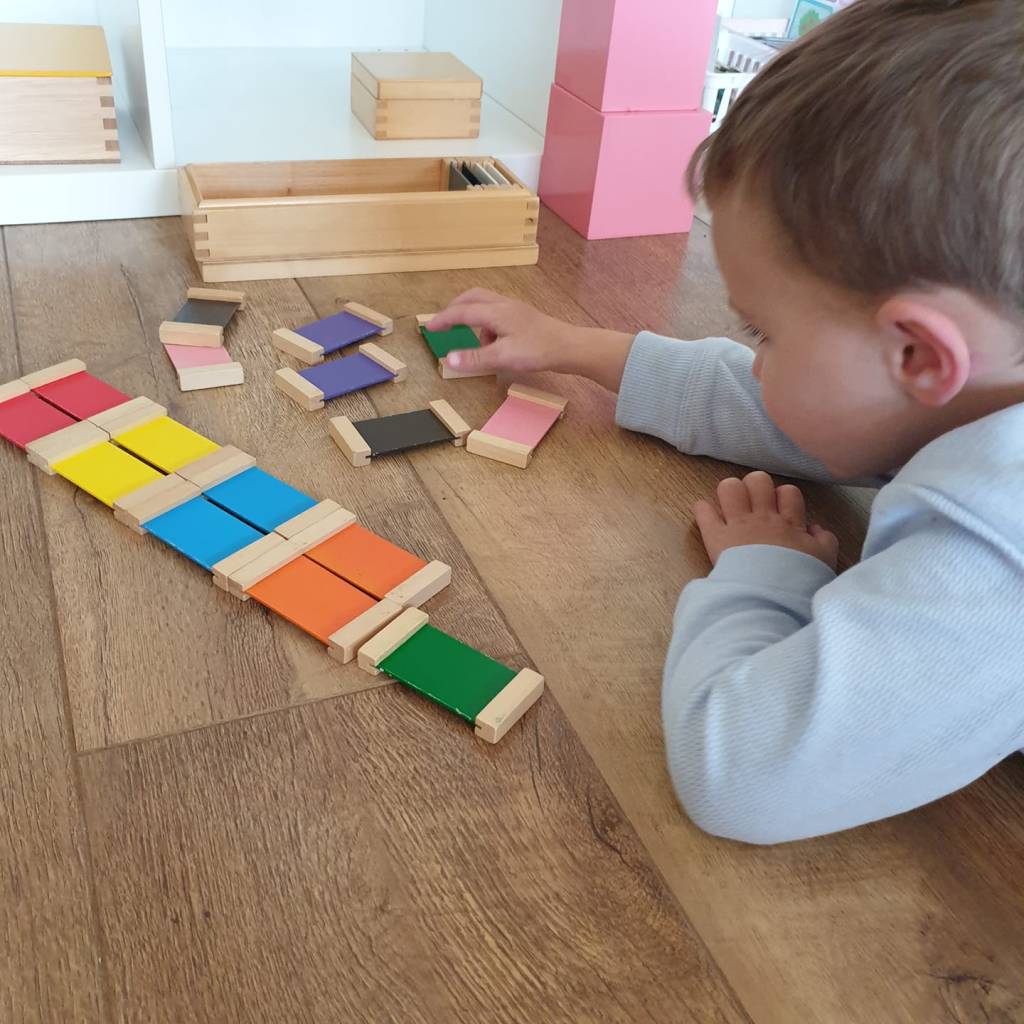
A self-assured, inquisitive, and creative child emerges when children are allowed the opportunity to pick their own learning activities, according to Dr. Maria Montessori, an Italian pediatrician and visionary educator who established the Montessori Method. The Montessori Method has been successful for almost a century all across the world, and current research supports its efficacy. Children grow into capable, responsible, knowledgeable individuals with a strong sense of self, enabling them to succeed in the real world.
Whether it is learning how to get dressed by themselves, effectively express their needs, or collaborate with others to solve problems, a Montessori classroom is thoughtfully constructed to provide children the chance to grow in their own capacities. One copy of each exercise is intentionally provided for the classroom. The freedom to select the activity they want to focus on gives children the opportunity to develop their decision-making skills depending on their interests.
While some children may likely choose to collaborate with others, younger children frequently concentrate on solo tasks. The program purposefully offers small group instruction and cooperative activities as children mature. Children are exposed to a variety of interpersonal dynamics and learning relationships through a combination of independent, pair, small-group, and whole-group lessons and activities, all valuable skills for their interactions outside of the classroom!

In a Montessori classroom, the Educator regularly evaluates their children, based on their observations of how each child interacts with the environment and their classmates. They create a setting that is stimulating and simultaneously academically, physically, socially, and emotionally accessible using their expertise of child development and academic achievements. Based on each child’s particular interests and skills, they create a personalised learning plan for them. The Educator creates settings where children are allowed to seek out solutions to their own questions and are given the resources to do so, guiding them in how to do it themselves.
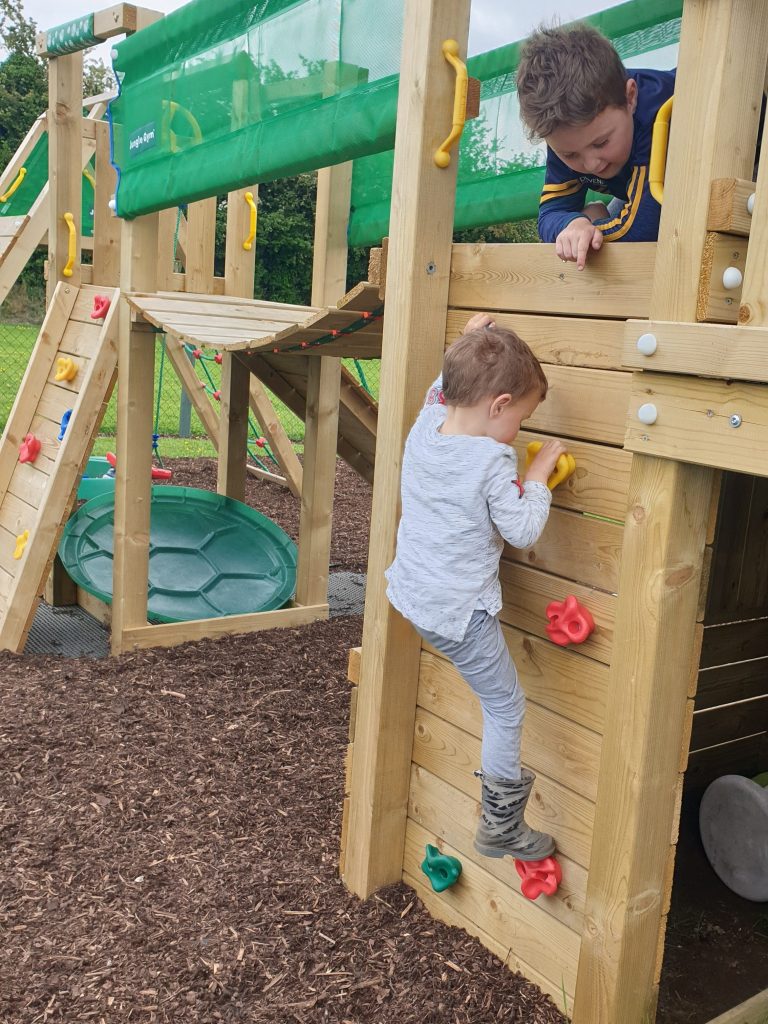
Children of various ages working together is quite typical within a Montessori environment. The finest teacher is often someone who has just mastered the task at hand, therefore older pupils like mentoring their younger classmates. Older children serve as role models for younger children and provide a sneak peek of the enticing work to come.
Play
What is a play curriculum and what are the benefits for my child?
Every child has the right to play, according to the United Nations Convention on the Rights of the Child. It is a learning tool that engages, motivates, challenges, and satisfies children as they attempt to make sense of the world. Children have an intrinsic need to learn; they are smart, capable, and intellectual individuals who can accomplish things, know things, and have strong relationships with family and friends. Through play, children may demonstrate all they have seen and discovered about the world around them while also having the chance to try out practical applications for what they have learnt.
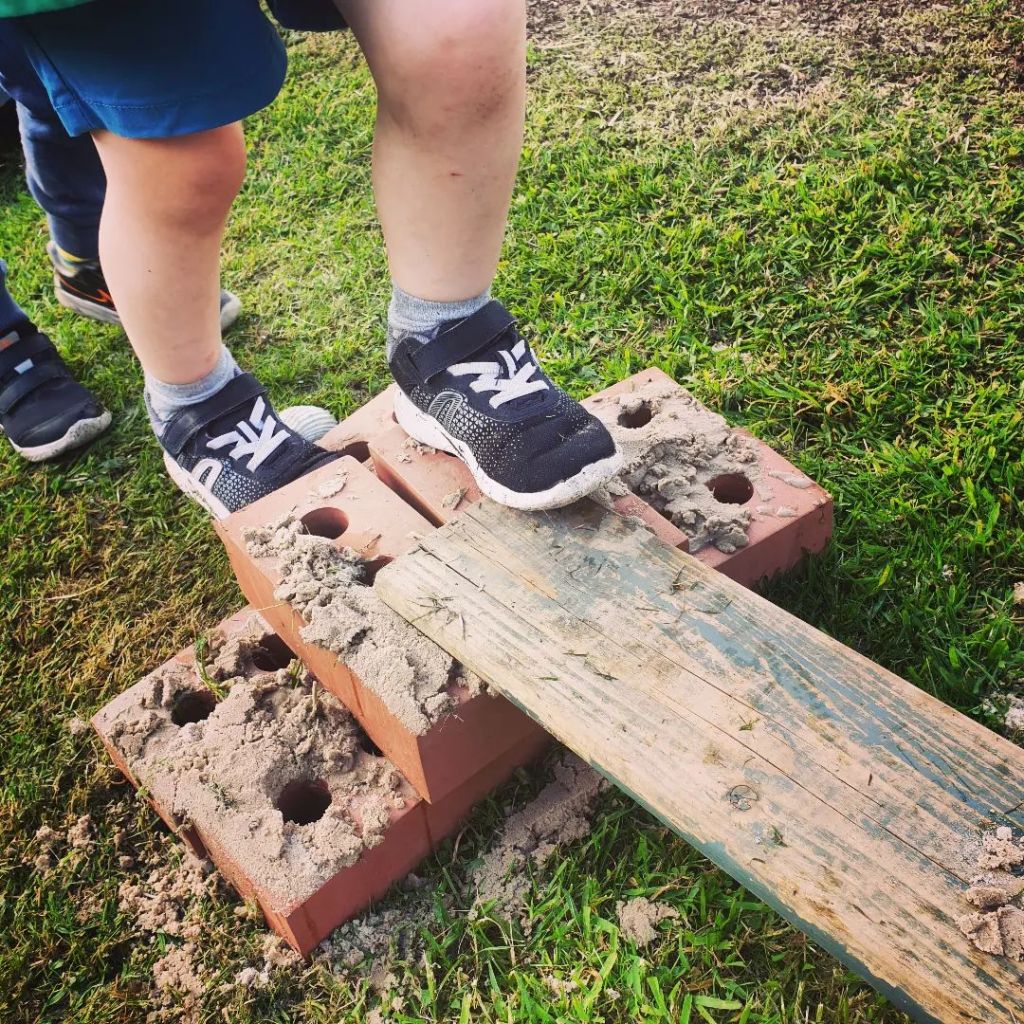
Play has been made a fundamental component of the Early Childhood Curriculum Framework, Aistear, in Ireland since the evidence on its advantages is so conclusive. The importance of play in the home and in early education settings is emphasised in both Síolta, the national quality framework and Aistear, the national curriculum framework from the National Council for Curriculum and Assessment. Play is beneficial for children’s health and wellbeing, according to Aistear. It serves as a means of fostering community so that children can find their sense of identity and community. It is a method of communicating, exploring, and thinking.
The importance of play for brain development is supported by the most recent neuroscience and brain research. The first five years of life are when the brain develops at its fastest, and during this time, the wiring of the brain forms numerous, intricate connections between neurons that will, in many ways, determine how well we learn, achieve, and enjoy life in the future. Because play provides children’s imaginations full rein and enables them to continuously engage in new experiences, activities, roles, and relationships, it aids in the formation of these connections in the brain.
Play is about managing numerous tasks at once, such as relationships, activities, problem-solving, other people’s ideas, and fostering camaraderie and enjoyment. Play is not about doing one task at a time. It is about managing multiple roles at once, such as relationships, activities, problem-solving, other people’s ideas, and generating companionship and enjoyment. Play gives children a wealth of opportunities to grow and develop while strengthening and supporting the connections between their brain’s neurons.
 Freffans Little Montessori